As PFAS Destruction Methods Continue to Evolve, Supercritical Water Oxidation Offers a Path to Verified, Permanent Results
As federal and state agencies continue to evaluate PFAS destruction options, Revive Environmental’s PFAS Annihilator delivers independently verified, batch-by-batch destruction.
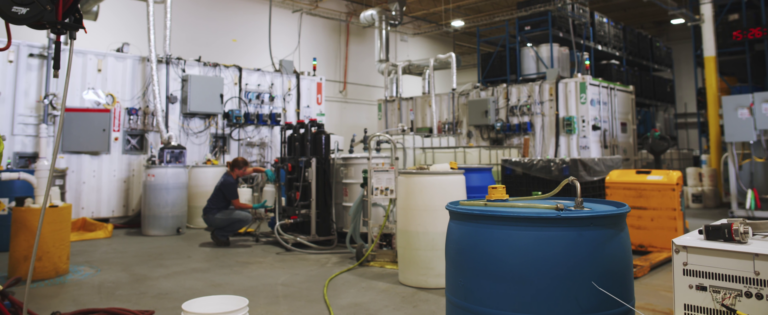
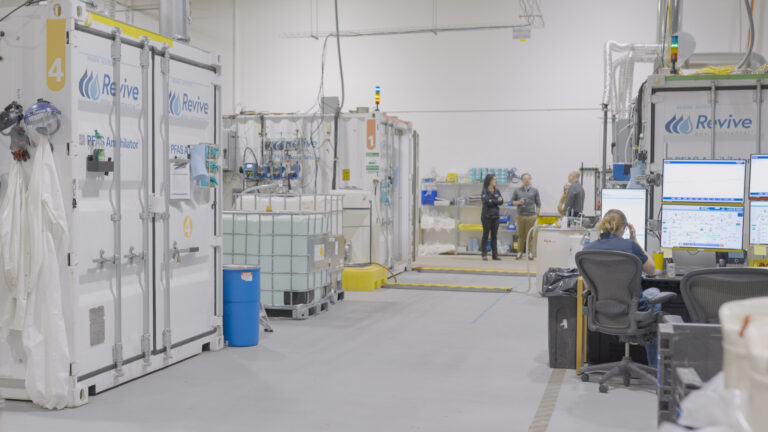
Revive Environmental operates active PFAS destruction programs in New Jersey, New Hampshire, Ohio, and North Carolina. At the center of that work is the PFAS Annihilator®, a supercritical water oxidation (SCWO) system designed to permanently destroy per- and polyfluoroalkyl substances (PFAS), the class of synthetic “forever chemicals” long considered among the most difficult environmental contaminants to eliminate. Every batch is confirmed by independent laboratory testing
The PFAS Annihilator uses SCWO to break PFAS compounds apart at the molecular level, converting them into water, carbon dioxide, and inorganic salts. The process generates no ash, no contaminated scrubber water, and no air emissions. Each batch of treated material is tested by an independent, certified laboratory and must meet or exceed EPA drinking water standards for PFAS before it is discharged. Clients receive a Certificate of Processing confirming permanent destruction.
A Maturing Regulatory and Scientific Picture
PFAS destruction options continue to evolve. Incineration remains a commercially available approach and is the subject of active EPA research, but the regulatory and scientific picture is still being determined. New York and Illinois have enacted moratoriums on PFAS incineration. The Department of War’s moratorium on PFAS incineration was lifted in February 2026, but only for hazardous waste incinerators meeting specific RCRA and Clean Air Act permit conditions. EPA and other agencies continue to evaluate products of incomplete combustion (PICs), and analytical methods for the full range of potential byproducts, including ultrashort-chain and other PFAS, like polar volatile compounds, remain an area of active development.
EPA has been notably careful in describing what its most recent incinerator testing can and cannot conclude. In its own published findings, the agency stated the study “is not intended to be a general recommendation of incineration for the treatment of PFAS,” and that “each unit is different” and requires site-specific testing to verify destruction performance and the absence of incomplete-combustion byproducts.
What EPA’s 2026 Guidance Actually Says
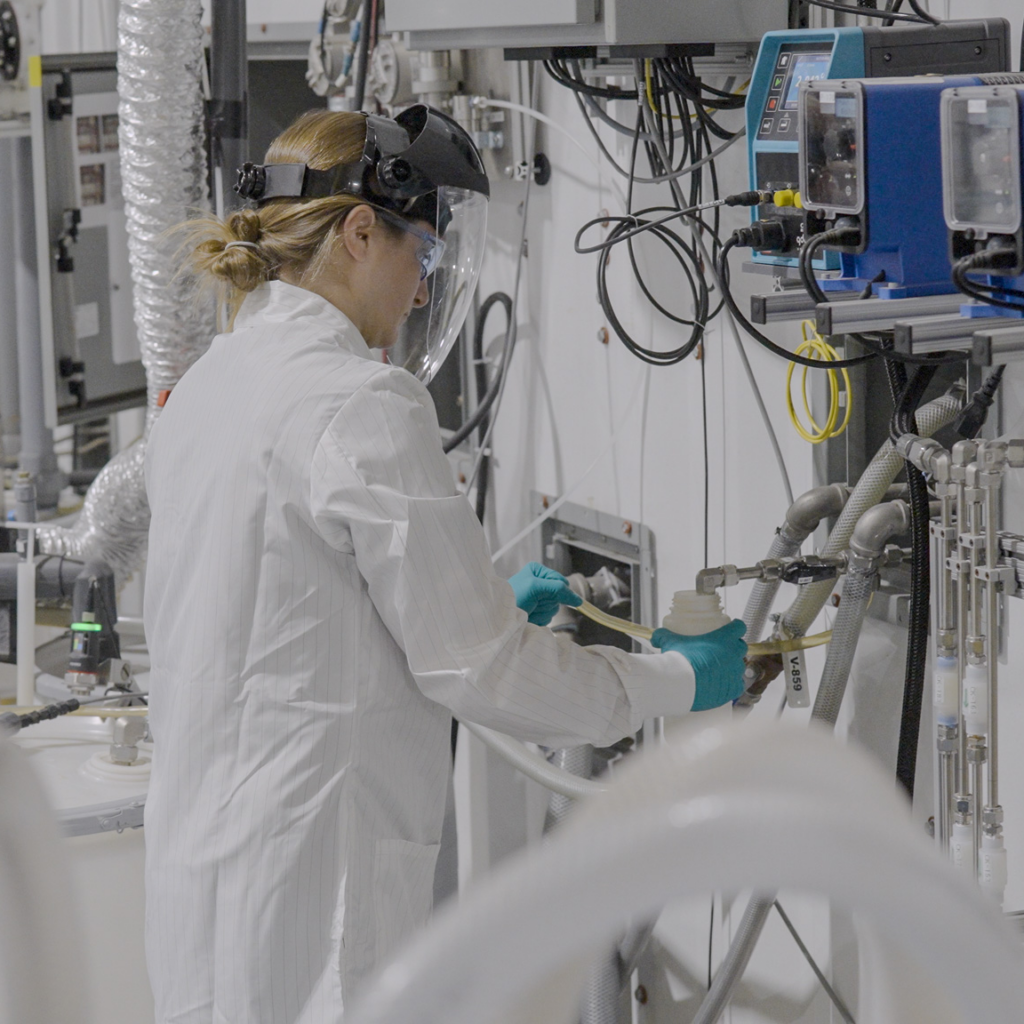
On supercritical water oxidation, EPA’s own language describes the process as producing “few to no hazardous residuals.” EPA’s PFAS Innovative Treatment Team selected SCWO as one of three technologies for focused study specifically because of its potential for PFAS destruction, minimal byproducts, commercial availability, and cost effectiveness.
The gap between what the guidance says and how it has been reported matters. States and agencies evaluating their PFAS disposal options deserve an accurate read of the science, not a headline.
How State Programs Set the Standard
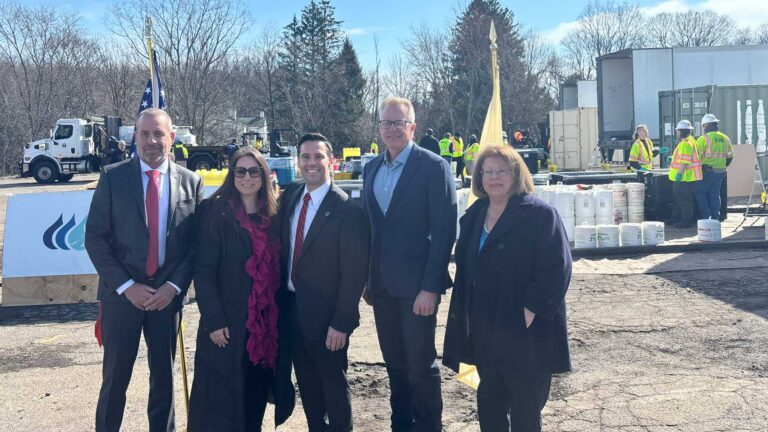
New Jersey’s Department of Environmental Protection conducted a detailed evaluation of all available PFAS disposal options before selecting Revive Environmental as prime contractor for its statewide aqueous film-forming foam (AFFF) collection program. The state’s requirement was specific: complete, verified destruction. Not landfill disposal. Not incineration with uncertain residuals. The program collected more than 150,000 gallons of PFAS-containing firefighting foam from more than 300 fire departments, the largest coordinated firefighting foam collection and destruction program in U.S. history.
“We’re not only removing the dangerous PFAS from New Jersey. We’re also ensuring that these forever chemicals are permanently destroyed and truly measurably benefiting the environment and the people of New Jersey.”
Ed Potosnak, Acting Commissioner, New Jersey Department of Environmental Protection
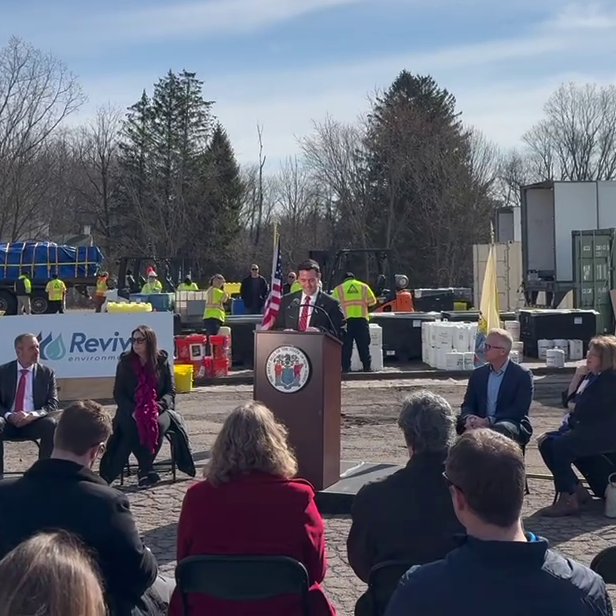
New Hampshire, Ohio, and North Carolina followed the same approach: evaluate available options, establish a standard for verified destruction, and select a technology capable of meeting it. Each program follows the same model: collection, secure transport, destruction, and independent verification, all documented batch by batch and delivered on a Certificate of Processing. Together, these state programs demonstrate that when agencies set a high bar for accountability, the PFAS Annihilator is built to meet it.
“With supercritical water oxidation, we can eliminate PFAS completely and prove it, batch by batch, across compound types, under real-world conditions. As the science around other approaches continues to develop, that independent, per-batch verification is what gives our partners confidence that the forever chemicals they collect are gone for good.”
Rick Gillespie, CEO, Revive Environmental
As more states, federal agencies, airports, water utilities, and industrial operators take on the practical work of managing PFAS obligations, the PFAS Annihilator offers a scalable, field-proven path from contamination to confirmed destruction. Revive Environmental expects to announce additional programs in the months ahead.