Looking Back on 2025: The Year PFAS Destruction Moved to Commercial Execution
How Supercritical Water Oxidation, AFFF take-back programs, and DoD demonstrations reshaped the PFAS landscape
From Planning to Practice
2025 marked a clear shift in how PFAS challenges were addressed across the United States. As regulatory expectations sharpened, airports, fire departments, and landfills moved beyond planning and pilot studies toward permitted treatment and verified PFAS destruction.
What was once considered emerging technology entered active deployment. Permanent PFAS destruction became a practical, near-term option as treatment alternatives increasingly narrowed toward solutions capable of eliminating PFAS rather than relocating it.
Supercritical Water Oxidation Moves into Commercial Operation
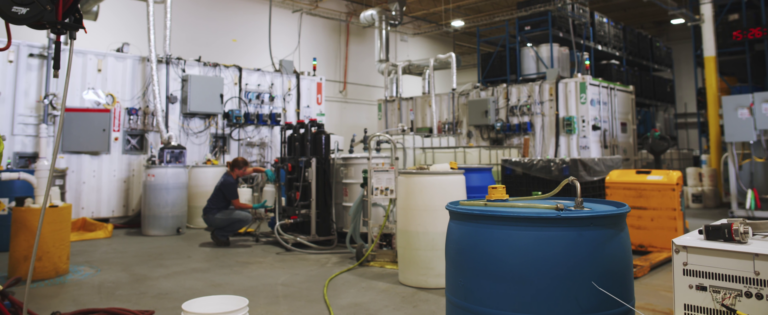
In parallel with these industry shifts, Revive advanced Supercritical Water Oxidation (SCWO) from demonstration into commercial operation. Throughout 2025, SCWO was deployed at permitted treatment facilities and directly at customer sites, supporting real-world PFAS destruction across multiple applications.
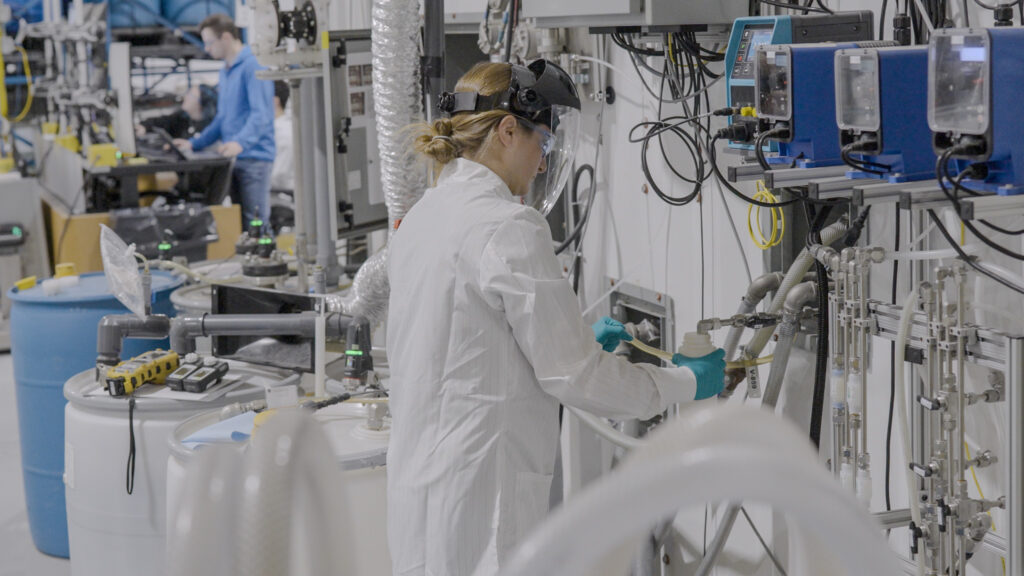
SCWO is now operating as part of active PFAS destruction efforts tied to AFFF foam transitions, fire department programs, statewide AFFF take-back initiatives, and Department of Defense (DoD) demonstrations. Its inclusion in national PFAS treatment guidance reflects growing regulatory recognition of destructive technologies capable of PFAS mineralization. This distinction separates SCWO from separation-based approaches that may concentrate PFAS without fully eliminating it.
This transition into commercial operation was reinforced by third-party recognition in 2025. Revive’s PFAS Annihilator® technology received an Edison Award for innovation in environmental solutions and was also named a WEFTEC Innovative Technology Award winner by the Water Environment Federation. Together, these honors reflect growing industry and regulatory confidence in destruction-focused PFAS technologies that can perform reliably under real-world operating conditions.
Industry, Regulatory, and DoD Engagement at Scale
This operational progress was reinforced by increased engagement with regulators, industry partners, and the DoD, evaluating PFAS destruction at a commercial scale. Revive participated in and presented at technical conferences and industry forums throughout the year, contributing operational data and field experience to ongoing discussions around PFAS treatment pathways.
Trade media coverage reflected this broader transition. ManufacturingDive profiled Revive as a leading PFAS destruction solution, while Waste Dive referenced Revive’s work in coverage examining DoD PFAS destruction and disposal demonstrations. Together, industry coverage and technical conference participation highlighted a clear shift away from conceptual evaluation toward technologies demonstrating repeatable, permitted operation. For Revive, these conversations were grounded in active deployments rather than theoretical performance.
DoD Demonstrations and DIU Validation
Execution also extended to DoD field demonstrations conducted in partnership with Battelle under the Environmental Security Technology Certification Program (ESTCP) and the Defense Innovation Unit (DIU). During summer 2025, Revive’s PFAS Annihilator® technology was demonstrated in real-world conditions to evaluate performance, operational constraints, and scalability for PFAS-impacted media relevant to DoD installations.
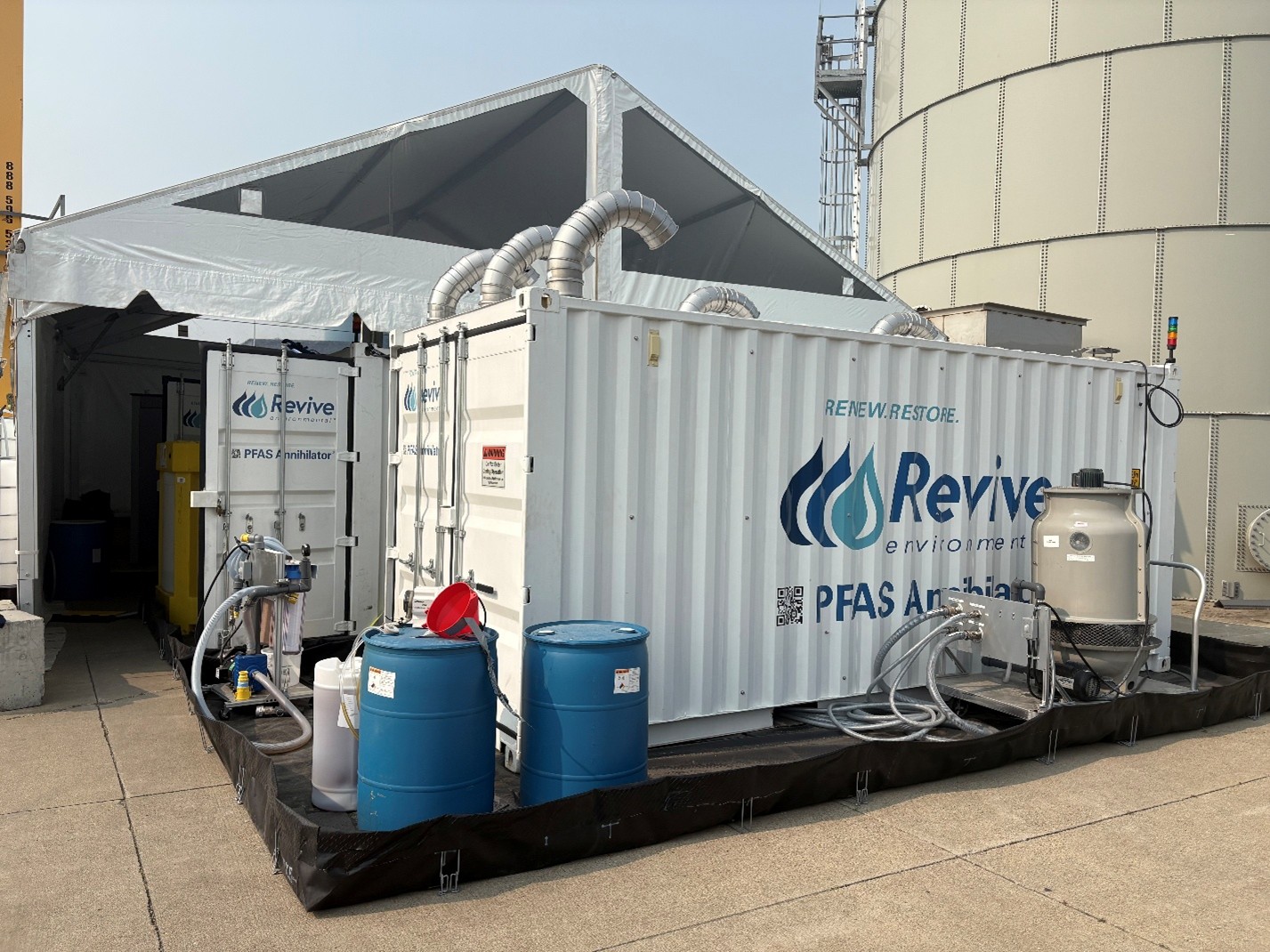
By operating within permitted facilities and established waste management infrastructure, the DIU-supported effort reinforced Revive’s ability to deliver destruction-focused PFAS services aligned with DoD requirements for performance, reliability, and deployment readiness at scale.
Statewide AFFF Take-Back Programs and Foam Transition
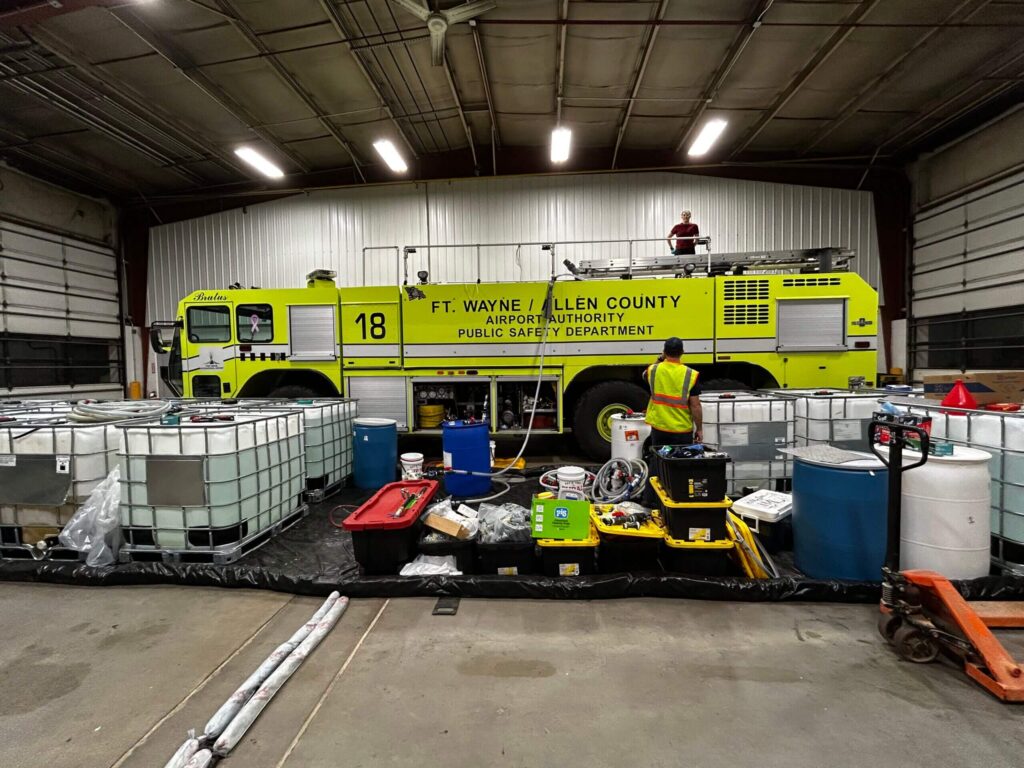
2025 also saw continued expansion of statewide AFFF transition and take-back programs. Revive supported coordinated AFFF take-back and destruction programs in Ohio, New Hampshire, and North Carolina, providing logistics, treatment, and verified destruction pathways for PFAS-containing foams.
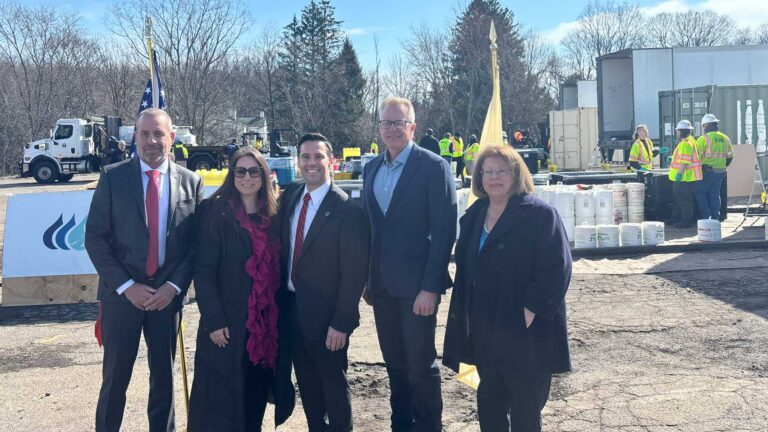
As the year came to a close, Revive was awarded the largest AFFF state take-back program in history with the State of New Jersey, further underscoring growing demand for permanent PFAS destruction at scale.
Expanding Capacity, Trams, and Infrastructure
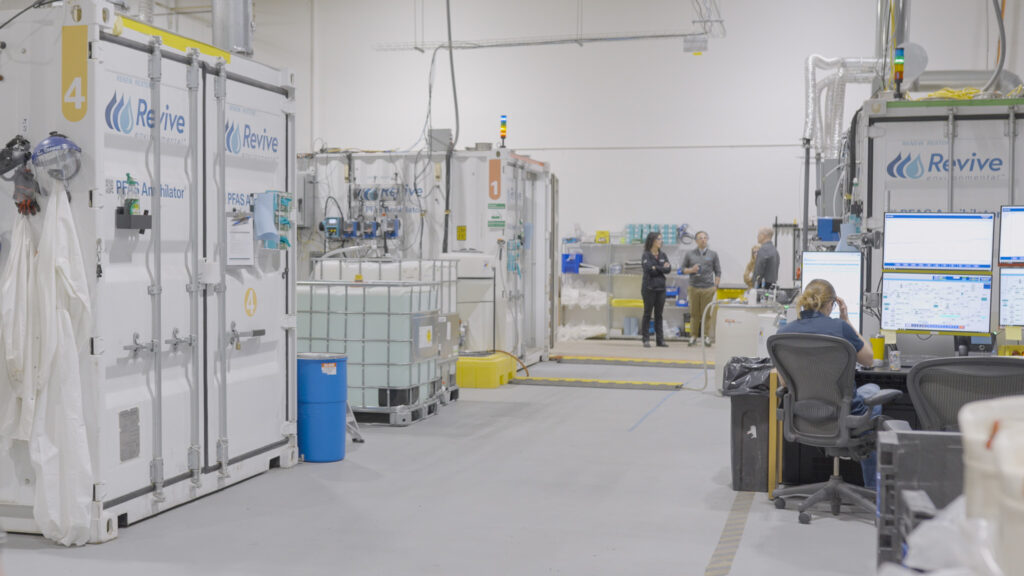
To support expanding commercial demand, Revive continued to grow both its technical team and operating infrastructure. Facility expansion efforts in Columbus progressed throughout 2025, with additional SCWO reactor capacity planned to support increased throughput in 2026.
Revive also strengthened its team with the addition of John Anderson, Senior Engineer, and Corey Theriault, PFAS Solutions Director, each bringing extensive experience across airport, ARFF, and industrial foam transition programs. More broadly, the company continued to grow thoughtfully, bringing together diverse technical backgrounds united by a shared commitment to addressing PFAS responsibly and effectively.
Advancing Spent Media Management with GAC RENEW
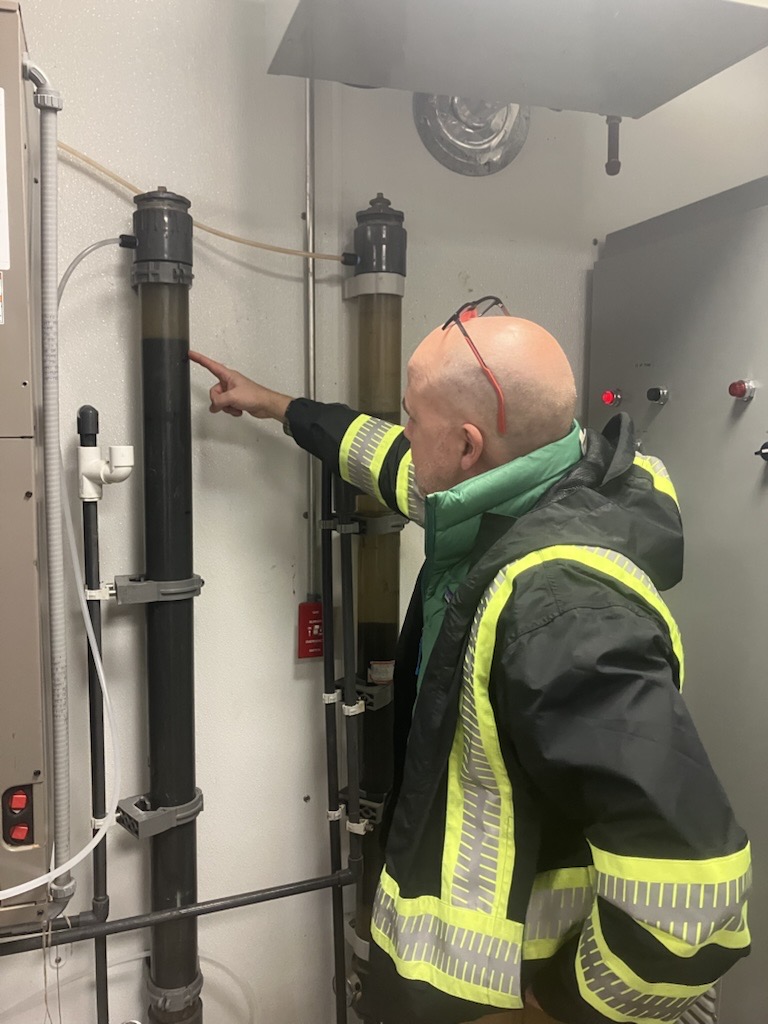
Beyond AFFF, Revive continued advancing technology development and field deployment of GAC RENEW™ for the management of PFAS-laden spent media. Adam Redding, PhD, Technology Development Lead, supported multiple field demonstrations in 2025, including recent trial work in Maine.
Revive’s collaboration on peer-reviewed research focused on carbon regeneration was recognized with the 2025 Rudolfs Industrial Waste Management Medal from the Water Environment Federation. During the same period, Doug Hendry joined Revive as Chief Technology Officer, further strengthening the company’s technical leadership as integrated PFAS destruction platforms continue to scale.
Looking Ahead
As PFAS regulation continues to move decisively from policy to execution, Revive is supporting a growing range of PFAS destruction services across more PFAS-impacted waste streams. With increased SCWO capacity, expanded infrastructure, and proven field performance, organizations across multiple sectors are increasingly selecting destruction as a long-term liability management strategy.
As attention expands beyond AFFF, additional complex PFAS waste streams are coming into view. Addressing them will require destruction technologies that perform reliably at scale, supported by operational experience and permitted capacity. That is the foundation Revive continues to build.
Connect With Us
Connect with a Revive Environmental™ expert to talk about your PFAS remediation and GAC regeneration needs.