Inside a Military PFAS Remediation Field Trial: Lessons from Peterson Space Force Base
Across the country, military installations are facing growing pressure to remediate PFAS contamination, particularly from decades of firefighting foam use. In response, the U.S. Air Force partnered with Revive Environmental to conduct an early, ambitious demonstration of a field-deployable PFAS destruction technology at Peterson Space Force Base in Colorado.
Armed with sub-zero temperatures, high-strength AFFF wastewater, and an eagerness to push innovation forward, this project laid critical groundwork for the future of military PFAS remediation—and taught us a few things we’ll never forget.
Download the full case study to see how SCWO performed in one of its most challenging deployments to date.
What Makes This Field Trial Unique?
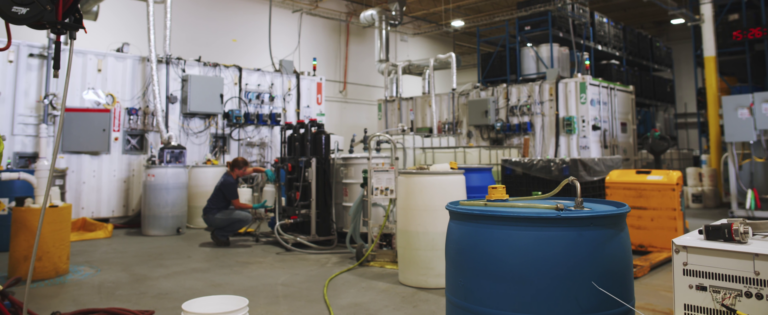
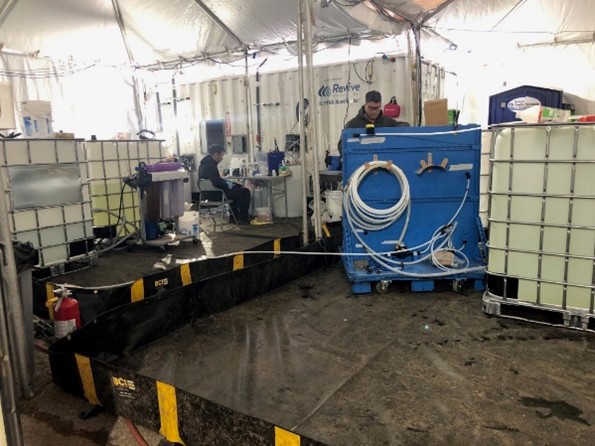
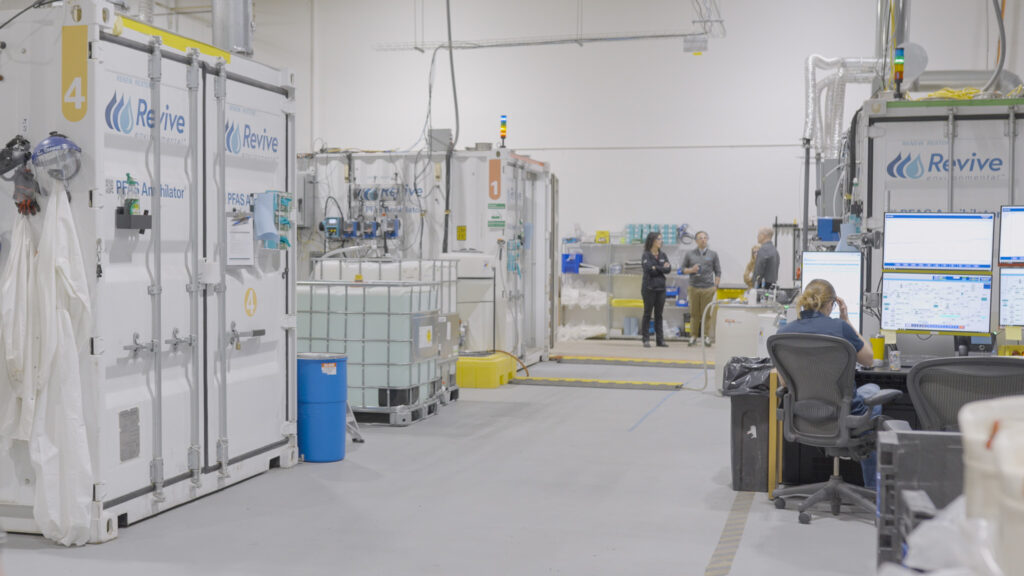
This wasn’t a controlled lab environment or a small-scale proof of concept. It was a real-world PFAS destruction pilot, conducted onsite at an active military base, using a SCWO system—the PFAS Annihilator®—designed to operate under rugged field conditions.
- PFAS concentrations: Up to 1.95 million ng/L from legacy AFFF contamination
- Treatment approach: Reverse osmosis (RO) pre-concentration, followed by SCWO
- Validation methods: EPA Method 1633, total organofluorine tracking, VOC/SVOC monitoring
- Results: Greater than 99.9% PFAS destruction, even in high-strength feedstocks
All sampling, analysis, and performance verification were conducted using rigorous, third-party-reviewed protocols. The result? Verified PFAS destruction under conditions that mirrored real deployment challenges military engineers and contractors often face.
Why This Matters for Military PFAS Remediation
With the EPA’s designation of PFOS and PFOA as hazardous under CERCLA, military bases are under new legal and environmental obligations to do more than contain PFAS—they must eliminate it. That means moving beyond conventional methods like filtration or incineration, which often shift the problem instead of solving it.
This field deployment proved that SCWO (supercritical water oxidation) can be a powerful tool for:
- Onsite (or offsite) PFAS remediation of AFFF-impacted water
- Destroying a broad range of PFAS compounds, not just the regulated few
- Supporting DoD environmental compliance through field-proven technology
- Reducing long-term liability and public health risk through destruction, not transfer
What a Colorado Winter Can Teach You About Waste Destruction
Let’s be honest: deploying a high-temperature oxidation reactor inside a canvas tent in the middle of a Colorado winter wasn’t exactly ideal. But that’s what made it such a valuable experience. It was one of the earliest uses of this system in the field, and a lot of valuable lessons came from the cold, the variability, and the complexity of the waste stream.

We proved it could work—but we also realized that reliability, throughput, and cost efficiency are significantly enhanced when operating in a controlled, fixed facility. That’s why Revive has since focused its efforts on permitted SCWO facilities, where the same technology can operate under optimized conditions to achieve even more consistent results across a wider range of media.
Key Takeaways for DoD Environmental Programs
This project is more than a case study—it’s a blueprint for future success in military PFAS remediation. Here’s why it matters:

Want the Full Technical Summary?
The complete case study includes detailed performance data, analytical methods, and cost considerations from this early deployment. Whether you’re a DoD program manager, environmental consultant, or infrastructure contractor, this case offers valuable insights into scalable, permanent PFAS destruction.
Download the full case study to see how Revive Environmental helped prove that military PFAS remediation isn’t just possible—it’s already happening.
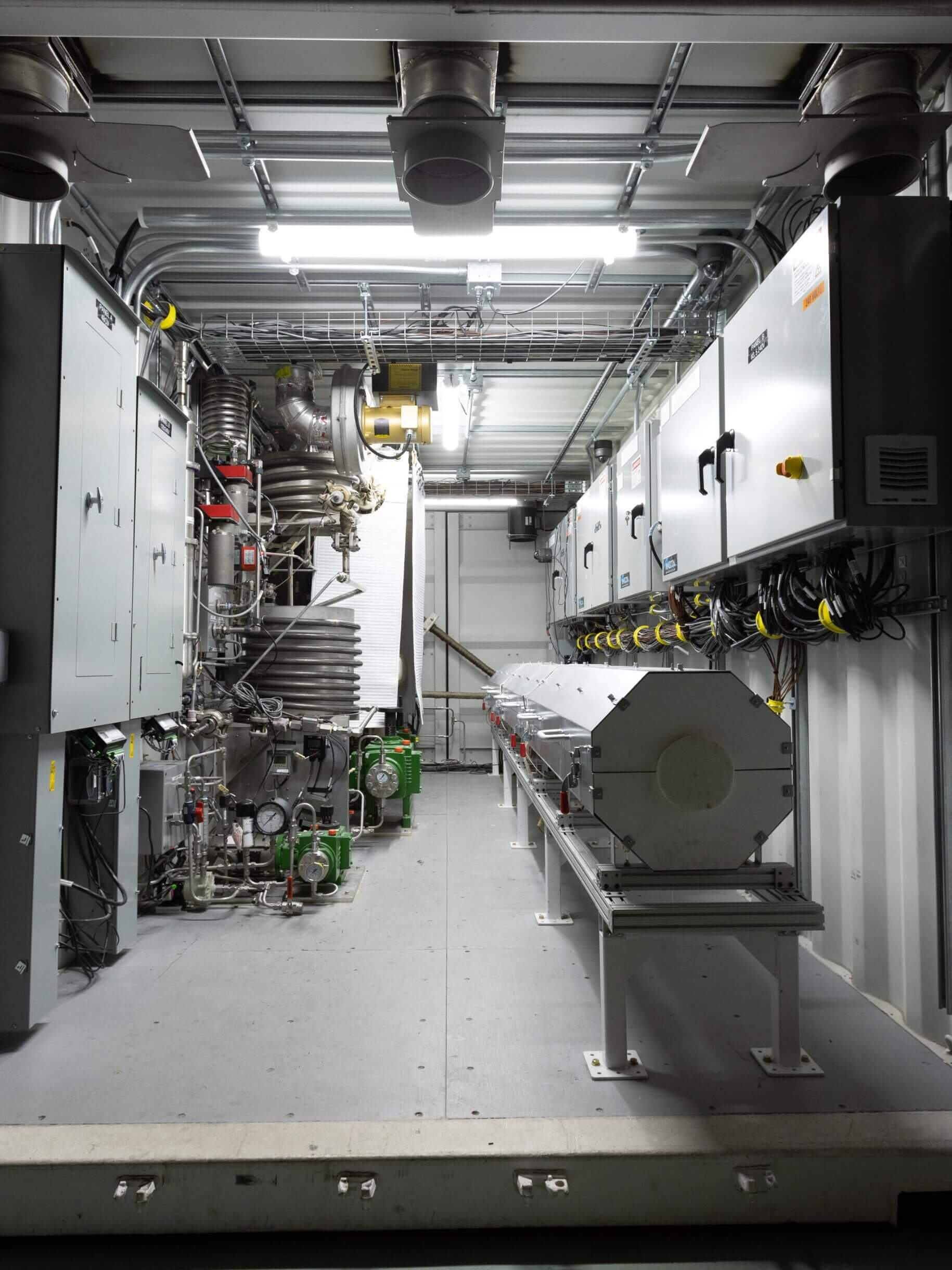
PFAS Annihilator®
Learn how the PFAS Annihilator® destroys PFAS at the molecular level, producing only water, inert salts, and nominal CO₂.